
Think it could be a stroke? Call 999 now.
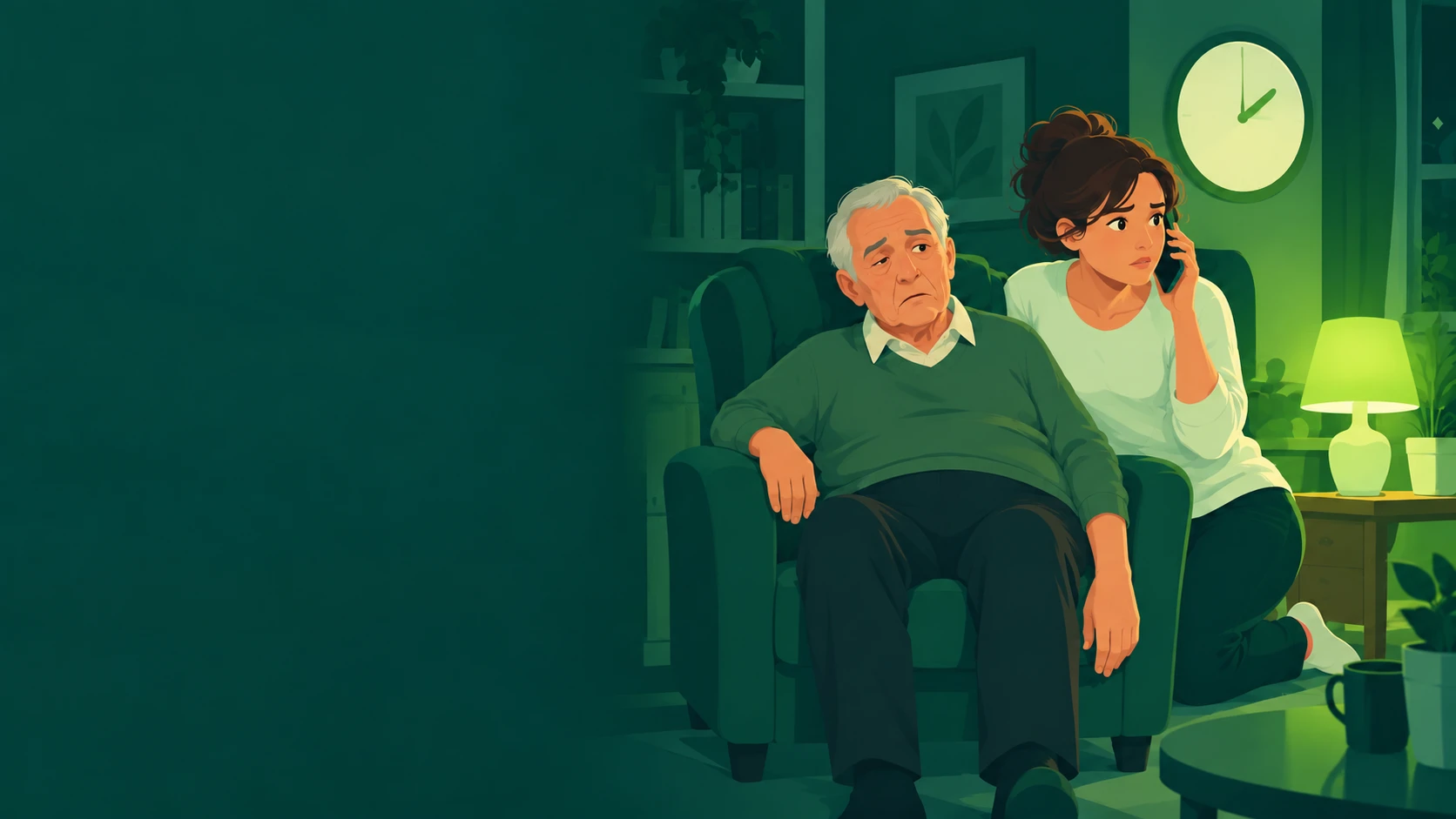
Stroke: think FAST
A stroke is when blood stops flowing to a part of your brain. A stroke needs urgent medical help in hospital because it can be life-threatening.
Source: NHS website – Stroke (opens in a new tab). Information from the NHS website.
When to call 999
Call 999 now if:
- you think you're having, or have had a stroke
- you've had signs of a stroke within the last 24 hours even if they've now stopped
Do not drive yourself to A&E.
The person you speak to at 999 will give you advice about what to do.
Source: NHS website – Symptoms of a stroke (opens in a new tab). Information from the NHS website.
Check for signs of a stroke
Stroke is an emergency
Think FAST
FAST stands for Face, Arms, Speech and Time to call 999.
The main symptoms of a stroke can happen suddenly. They may include:
-
Face
Face weakness – one side of your face may droop (fall) and it might be hard to smile.
-
Arms
Arm weakness – you may not be able to fully lift both arms and keep them there because of weakness or numbness in 1 arm.
-
Speech
Speech problems – you may slur your words or sound confused.
-
Time
Time to call 999.
Other symptoms of a stroke
There are other signs that you or someone else is having a stroke. These include:
- weakness or numbness down 1 side of your body
- blurred vision or loss of sight in 1 or both eyes
- finding it difficult to speak or think of words
- confusion and memory loss
- feeling dizzy or falling over
- a severe headache
- feeling or being sick (nausea or vomiting)
Symptoms of a stroke can sometimes stop after a short time, so you may think you're OK. Even if this happens, get medical help straight away.
A stroke is more likely to happen if you're older, but it can happen at any age.
Source: NHS website – Symptoms of a stroke (opens in a new tab). Information from the NHS website.
If the symptoms stop: mini stroke (TIA)
A transient ischaemic attack (TIA) or "mini stroke" is caused by a temporary disruption in the blood supply to part of the brain. The effects last a few minutes to a few hours and fully resolve within 24 hours.
In the early stages of a TIA, it's not possible to tell whether you're having a TIA or a full stroke.
It's important to call 999 immediately and ask for an ambulance if you or someone else has symptoms of a TIA or stroke.
Even if the symptoms disappear while you're waiting for an ambulance to arrive, you still need to be assessed in hospital.
A TIA is a warning sign that you may be at risk of having a full stroke in the near future, and an assessment can help doctors determine the best way to reduce the chances of that happening.
Source: NHS website – Transient ischaemic attack (TIA) (opens in a new tab). Information from the NHS website.
Call 999 now if you've had signs of a stroke within the last 24 hours even if they've now stopped.
Source: NHS website – Symptoms of a stroke (opens in a new tab). Information from the NHS website.
If you think you may have had a TIA previously, but the symptoms have passed and you did not seek medical advice at the time, make an urgent appointment with a GP. They can determine whether to refer you for a hospital assessment.
Source: NHS website – Transient ischaemic attack (TIA) (opens in a new tab). Information from the NHS website.
In Scotland
NHS inform advises contacting your GP practice urgently if you have had, or think you have had, a TIA, and phoning 111 if your GP practice is closed. Phone 999 now if you think you or someone you know is having a stroke.
Source: NHS inform – Stroke (opens in a new tab)
In Wales
For advice in Wales, see NHS 111 Wales – Stroke (opens in a new tab).
Why calling 999 straight away matters
An NHS England analysis of 2023 to 2024 data found that people waited an average of 88 minutes between their first symptom and calling 999. Recognising the symptoms early and calling 999 straight away can mean faster access to specialist treatment and the best chance of reducing the long-term effects of a stroke.
Source: NHS England – stroke campaign announcement, November 2024 (opens in a new tab)
If you are worried someone in hospital is getting worse
Tell the care team if you are worried that someone in hospital is getting worse.
If you remain worried and feel your concerns are not being addressed, you can request a rapid review by a different team through Martha's Rule, where it is available.
Ask hospital staff for the Martha's Rule phone number, or look for it on hospital posters or the hospital's website.
Martha's Rule is being introduced in adult and children's hospital wards in England. It is not yet available in every hospital or on every ward.
You can also ask for a second opinion about a diagnosis or treatment plan. This is separate from Martha's Rule.
Who is at greater risk?
A stroke can happen to anyone at any age, but your risk may increase if:
- you're over 50 years old
- you're from a Black or South Asian background
- you have sickle cell disease (SCD)
- you have an unhealthy lifestyle
- you have migraines
- you take the combined contraceptive pill
- you're pregnant and have pre-eclampsia
- you've just had a baby
Certain conditions also increase the risk of stroke. These include:
- high blood pressure (hypertension)
- diabetes
- irregular and fast heartbeats (atrial fibrillation)
- high cholesterol
- a transient ischaemic attack (TIA or mini stroke)
Source: NHS website – Causes of a stroke (opens in a new tab). Information from the NHS website.
Reducing your risk
If you have a stroke, or a transient ischaemic attack (TIA, or mini-stroke), you're more at risk of having another stroke. But there are things you can do to lower the risk:
- quit smoking
- eat a balanced diet
- exercise
- cut down on alcohol
- do not forget to take medicines for any underlying conditions such as high blood pressure or diabetes – talk to a GP if you have any problems with your medicine
Source: NHS website – Causes of a stroke (opens in a new tab). Information from the NHS website.
Blood pressure checks
High blood pressure does not usually cause any symptoms. Many people have it without realising it.
Get your blood pressure checked at a pharmacy or GP surgery if:
- you think you might have high blood pressure or might be at risk of having high blood pressure
- you're aged 40 or over and have not had your blood pressure checked for more than 5 years
Many pharmacies offer free blood pressure checks for people aged 40 or over.
Source: NHS website – High blood pressure (opens in a new tab). Information from the NHS website.
Atrial fibrillation
Atrial fibrillation (sometimes called afib or AF) is a type of heart rhythm problem where your heartbeat is not steady. See a GP if you think you may have it.
There is currently no cure for atrial fibrillation, but treatment should help manage the symptoms and lower the risk of complications like blood clots, stroke and heart failure.
Source: NHS website – Atrial fibrillation (opens in a new tab). Information from the NHS website.
NHS Health Check in England
The NHS Health Check is a free check-up of the health of your heart and blood vessels (cardiovascular health). It can tell you whether you're at higher risk of getting certain health problems, such as:
- heart disease
- diabetes
- kidney disease
- stroke
If you're aged 40 to 74 and do not have a pre-existing health condition, you should be invited to an NHS Health Check by your GP or local council every 5 years. If you have not been invited for an NHS Health Check and think you're eligible, contact your GP practice.
Source: NHS website – NHS Health Check (opens in a new tab). Information from the NHS website.
After a stroke
Strokes affect people in different ways. For some, it may take days or weeks to recover and there will be little impact on their life. For others, recovery can take months or years and may mean making life changes.
When you're discharged from hospital, your healthcare team will continue to support you. They do this by creating a home recovery plan. Your plan may include:
- physiotherapy and exercises to help with movement – this may also help if you have problems such as numbness down 1 side of the body
- cognitive behavioural therapy (CBT) to help with anxiety, depression and tiredness
- activities to improve your memory, concentration, thinking and mood (cognitive rehabilitation)
- exercises to help improve problems with your speech, swallowing, and vision
- advice, exercises and medicines to help with bowel or bladder problems
You can choose how you want to do your rehabilitation. It can be done in person or, if it's easier, online (telerehabilitation).
After about 6 months, you should get a review of your progress. If you do not get this, speak to your team about it.
If you're caring for someone who has had a stroke, you'll be a big part of their recovery. Looking after someone who has had a stroke can be difficult, frustrating and lonely. Try to make sure you get all the support and help you need.
Source: NHS website – Recovering from a stroke (opens in a new tab). Information from the NHS website.
More information
Charities that can help
Stroke Association (registered charity 211015, England and Wales; SC037789, Scotland)
A UK charity that supports people after a stroke and their families.
- Get support from the Stroke Association (opens in a new tab)
- Stroke Support Helpline: 0303 3033 100, Monday to Friday 9am to 5pm, Saturday 10am to 1pm. Email [email protected]. This is a support line, not an emergency line.
Source: Stroke Association – Support and guidance overview (opens in a new tab)
Back to stroke, sepsis and meningitis
This page is for signposting only. All information comes from the sources linked beside it. In an emergency, call 999. For urgent medical advice when it is not an emergency, use NHS 111 (opens in a new tab) in England, NHS 24 on 111 (opens in a new tab) in Scotland or NHS 111 Wales (opens in a new tab). In Northern Ireland, contact your GP or GP out-of-hours service (opens in a new tab).
Contains public sector information licensed under the Open Government Licence v3.0. Sources last checked: 21 October 2026.