Regulating pre-hospital
urgent and emergency clinical responders
in non-statutory roles

Health Practice Associates Council (HPAC): the register for pre-hospital urgent and emergency care practitioners in non-statutory roles

Key Stakeholders

CQC, DBS, NPCC, NHS Safeguarding logos banner

CQC, Disclosure & Barring Service, National Police Chiefs' Council and NHS Safeguarding recognise the Health Practice Associates Council register in supporting the safe recruitment of non-paramedic ambulance clinicians.


Register Today!

Register

Professionalism and Accountability

Join HPAC's register for pre-hospital primary, urgent and emergency care responders in non-statutory roles. Demonstrate your accountability, professionalism & credibility to the public.

Apply
Ambulance travelling on road Free access for Charities

Organisation Sign-Up

Link with registered staff

Register your Terms apply — see section 3B.12 organisation for access to the HPAC portal and our dedicated safeguarding and compliance tracking tools, such as notification of a DBS status change within 24 hours.

Sign Up
HPAC Council group image

Meet the Council

Oversight and Steering

Learn more about the Council members who guide HPAC's work and uphold our standards in public protection and professional integrity.

View Council
Assurance for employers, staff and the public

Positive registration

Only practitioners who have satisfied our rigorous due diligence requirements and continue to hold registration in good standing appear on the public register.

  Identity and background checks
  Enhanced DBS check and daily revalidation
  Qualification verification and registration grading
  Dynamic risk management through ongoing regulatory oversight

Registration Requirements

HPAC qualifications and grades
Compliance

Qualifications & Grades Framework

View the grades that we regulate as well as the training and qualifications that are required for registration.

Read more
Disclosure and Barring Service
Compliance

DBS, ID and Right to Work

View the documents needed to verify your identity, background and right to work in the UK.

Read more
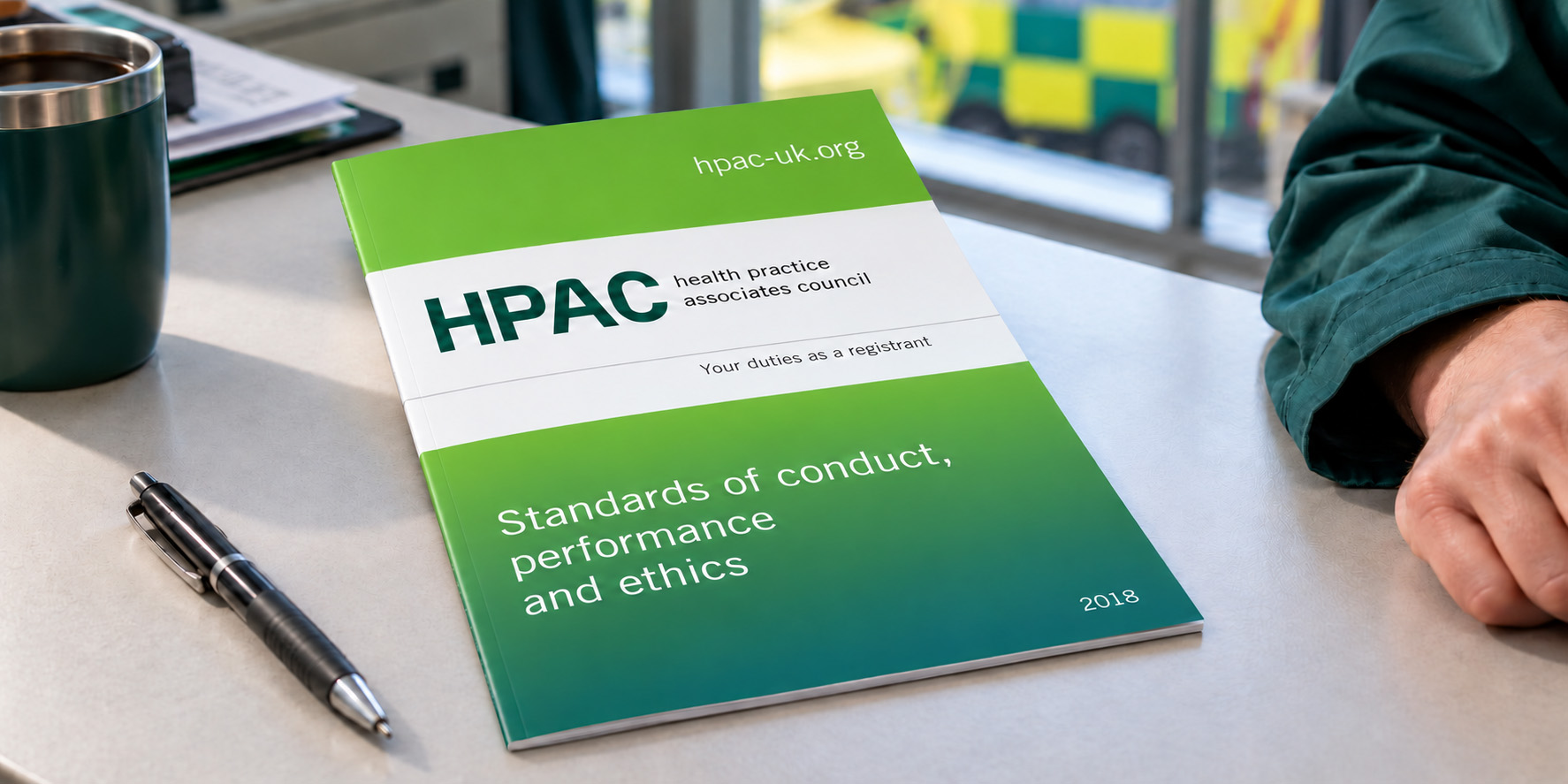
HPAC Standards of Conduct, Performance and Ethics
Compliance

Our Code of Conduct

Every registrant is required and expected to abide by the HPAC standards of conduct, performance and ethics.

Download
Now available

Access NHS e-Learning for Healthcare through your HPAC profile

Registrants can now complete their statutory and mandatory training directly from their HPAC profile, using e-Learning for Healthcare modules — with no extra cost and no separate NHS England account required.

  • Included at no additional cost
  • No NHS England account needed
  • Access managed from within your HPAC profile
  • Supports statutory and mandatory learning requirements
  • Completion generates a PDF certificate Sample e-LfH Certificate
  • Certificates can be verified via the HPAC portal or using the certificate's QR code
View training video

A short guide to accessing e-LfH through your HPAC profile.

£
View our registration fees

Registration fees 07 November 2025 to 29 April 2027

View our fee structure and registration pricing.

View Fees

Access & Information for:

Guidance and tools for registrants, employers, education providers, and the public.

Know the signs. Act fast.

Stroke, sepsis and meningitis can be life-threatening and need urgent medical help. Learn the signs and when to get help.

Think it could be a stroke, sepsis or meningitis? Call 999 straight away.

Source: NHS website – Symptoms of a stroke (opens in a new tab), Sepsis (opens in a new tab), Meningitis (opens in a new tab)

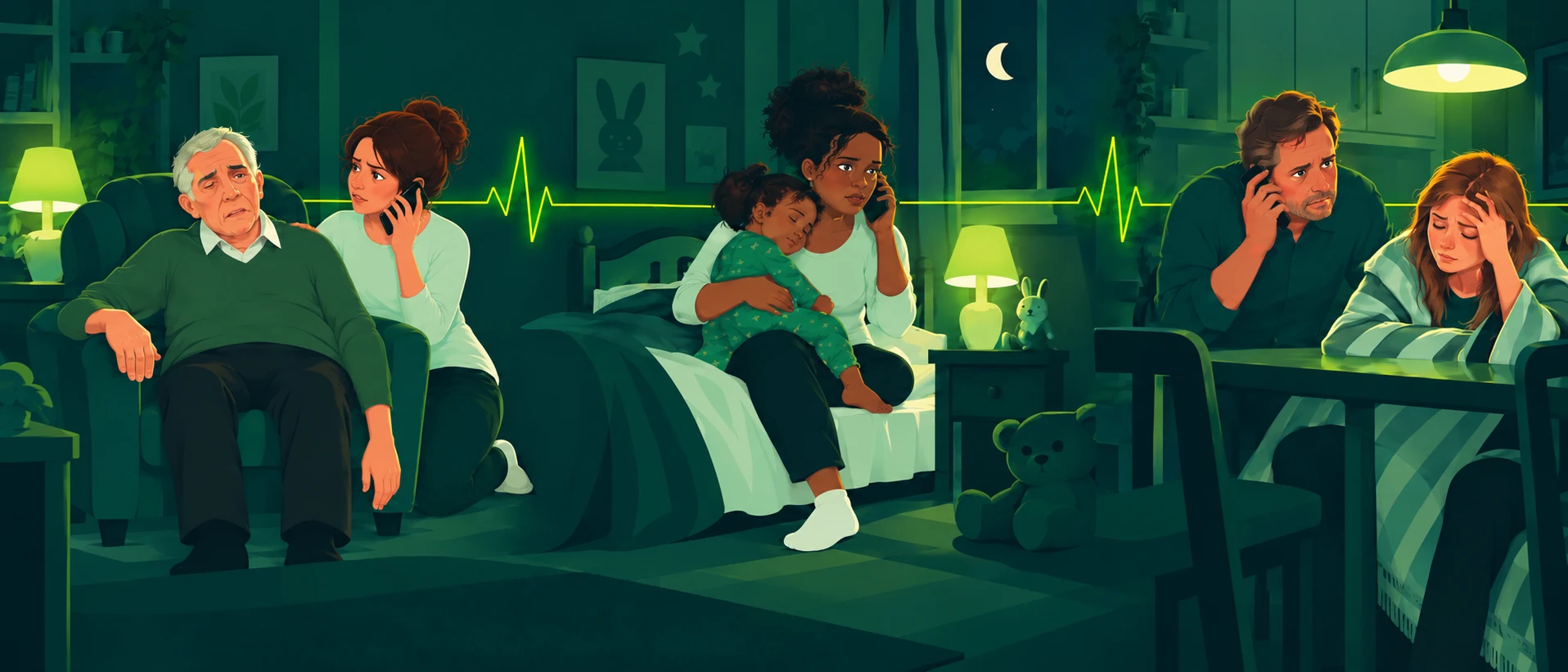
Three people who are unwell, each with someone beside them already calling 999.

Stroke is an emergency. Think FAST.

  • Face: one side of your face may droop (fall) and it might be hard to smile.
  • Arms: you may not be able to fully lift both arms and keep them there because of weakness or numbness in 1 arm.
  • Speech: you may slur your words or sound confused.
  • Time: time to call 999.

Call 999 even if the symptoms stop.

Spotting the signs of Sepsis

Trust your instincts.

In adults and children aged 5 or over, signs include:

  • Breathing very fast.
  • Confusion, slurred speech or not making sense.
  • A very high or very low temperature, feeling hot or cold to the touch, or shivering.

Call 999 or go to A&E if you think it could be sepsis.

Meningitis

Do not wait for a rash.

  • A severe headache, a stiff neck, or eye pain when looking at bright lights.
  • A high temperature, very cold hands and feet, or being very sleepy or difficult to wake.
  • Spots or a rash that does not fade when pressed with a glass.

Call 999 or go to A&E if you think it could be meningitis.

This section is for signposting only. All information comes from the sources linked beside it. In an emergency, call 999. For urgent medical advice when it is not an emergency, use NHS 111 (opens in a new tab) in England, NHS 24 on 111 (opens in a new tab) in Scotland or NHS 111 Wales (opens in a new tab). In Northern Ireland, contact your GP or GP out-of-hours service (opens in a new tab). Information from the NHS website is licensed under the Open Government Licence v3.0.

Referrals & Disclosures

Raise a Concern

If you have any concerns about a clinician, a staff member, or aspects of your own practice, you can make a referral using the button below.

Make a Referral

Section 29 Disclosure Request

Police and other authorised bodies with legitimate inquiries about a registrant may submit a Section 29 Disclosure Request Form.

Download Form

Concerns Processing Policy

You can view our Concerns Processing Policy to understand the investigation thresholds and how concerns are handled.

Download Policy

As a non-statutory, not-for-profit regulator, HPAC has not yet received government funding. A donation of any size helps us protect the public, strengthen safeguarding, and uphold the standards we exist to maintain.